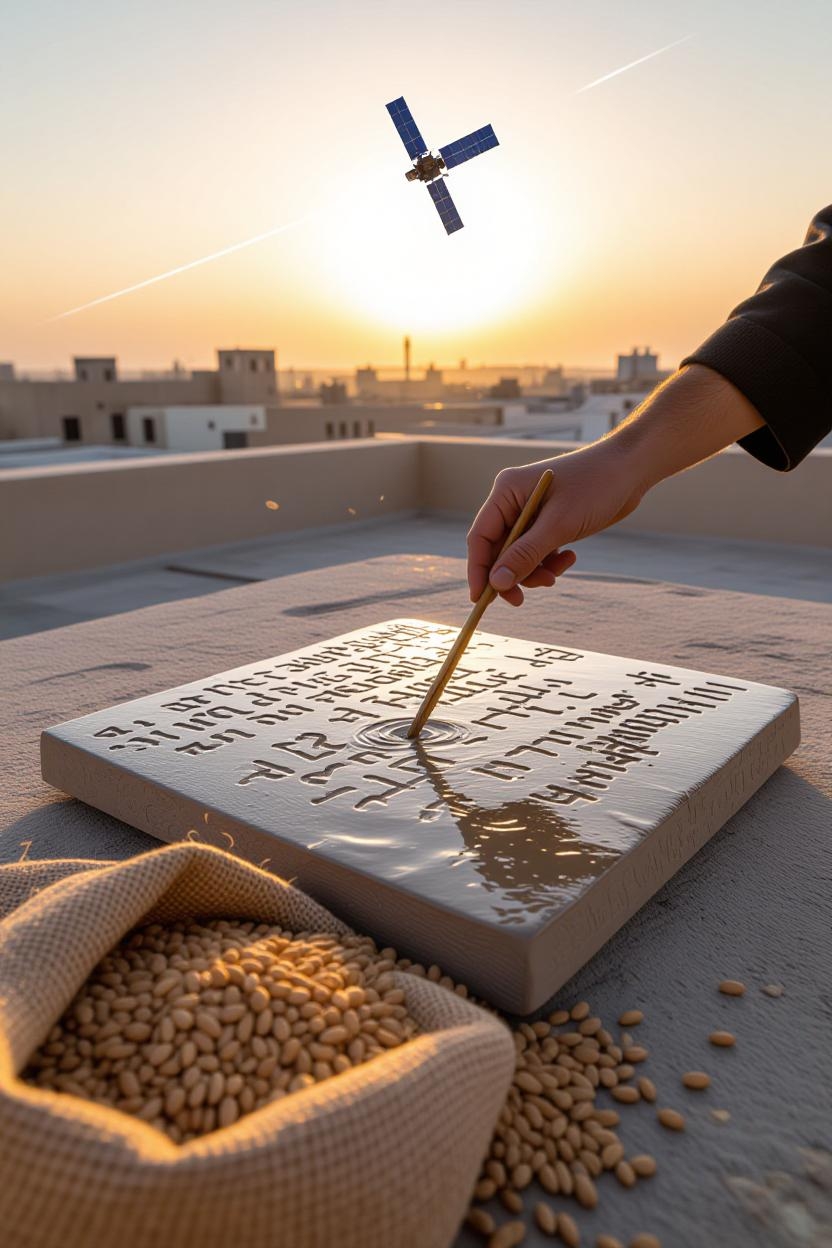
Imagine finding a glowing clay tablet buried in your backyard. You brush off the dust, and faint words appear: Share. Help. Be fair. Suddenly, your inner compass spins, pointing toward “good.” You feel it in your gut—this isn’t just advice. It’s a whisper from someone who lived 3,300 years ago.

That’s the idea behind this article: history isn’t a dusty textbook. It’s a living map that quietly steers our sense of right and wrong.
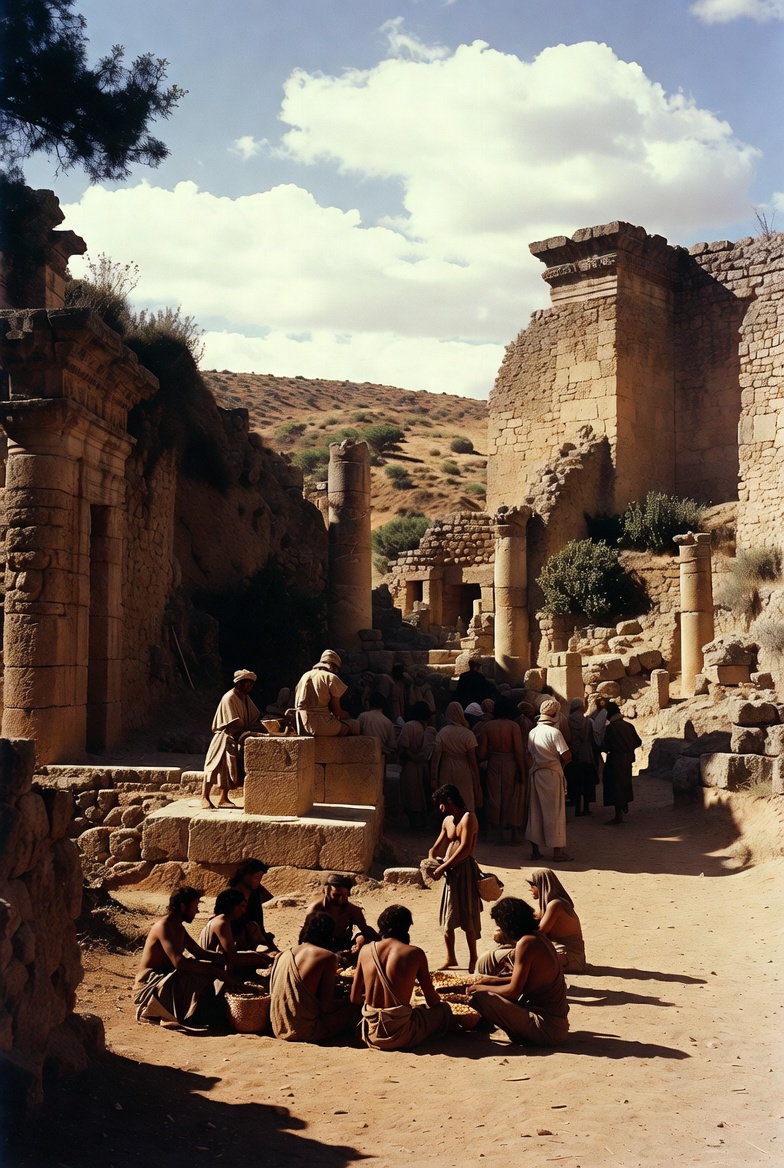
The oldest known song—the Hurrian Hymn No. 6, scratched into clay around 1400 BCE—wasn’t a battle cry or a love ballad. It was a prayer. People gathered, sang together, and passed bread. Sharing wasn’t a rule yet—it was survival. The song survived because cooperation did.
Fast-forward. Cave walls show handprints and animals—early humans marking we were here, we hunted together. No laws, no courts. Just the unspoken agreement: hunt fair, eat together, protect the weak. The drawings weren’t art for art’s sake. They were reminders: this is how we stay alive.

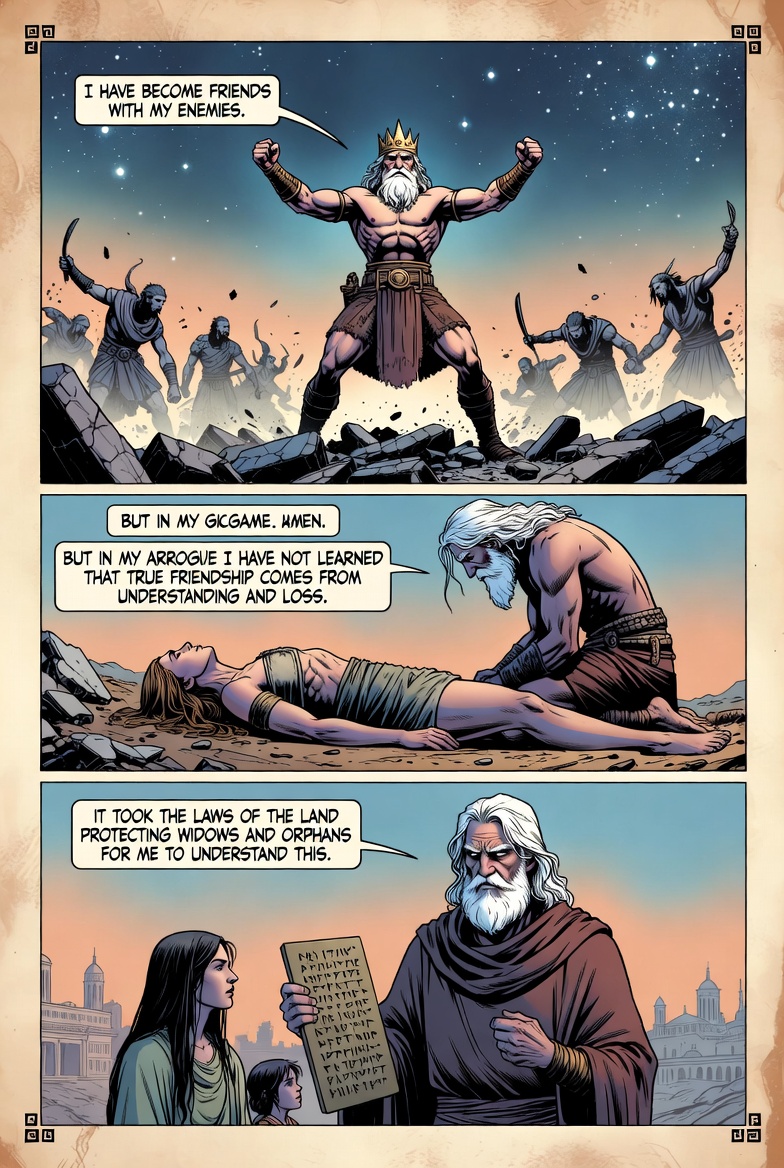
Then cities rose. Sumerians invented writing—mostly to count grain and taxes. But mixed in were stories: Gilgamesh learning friendship through loss, laws protecting widows and orphans. The first written codes weren’t about power—they were about balance. Don’t steal the widow’s ox. Don’t cheat the orphan. The moral compass wasn’t invented in philosophy class. It was etched in clay when people realized unchecked greed kills everyone.
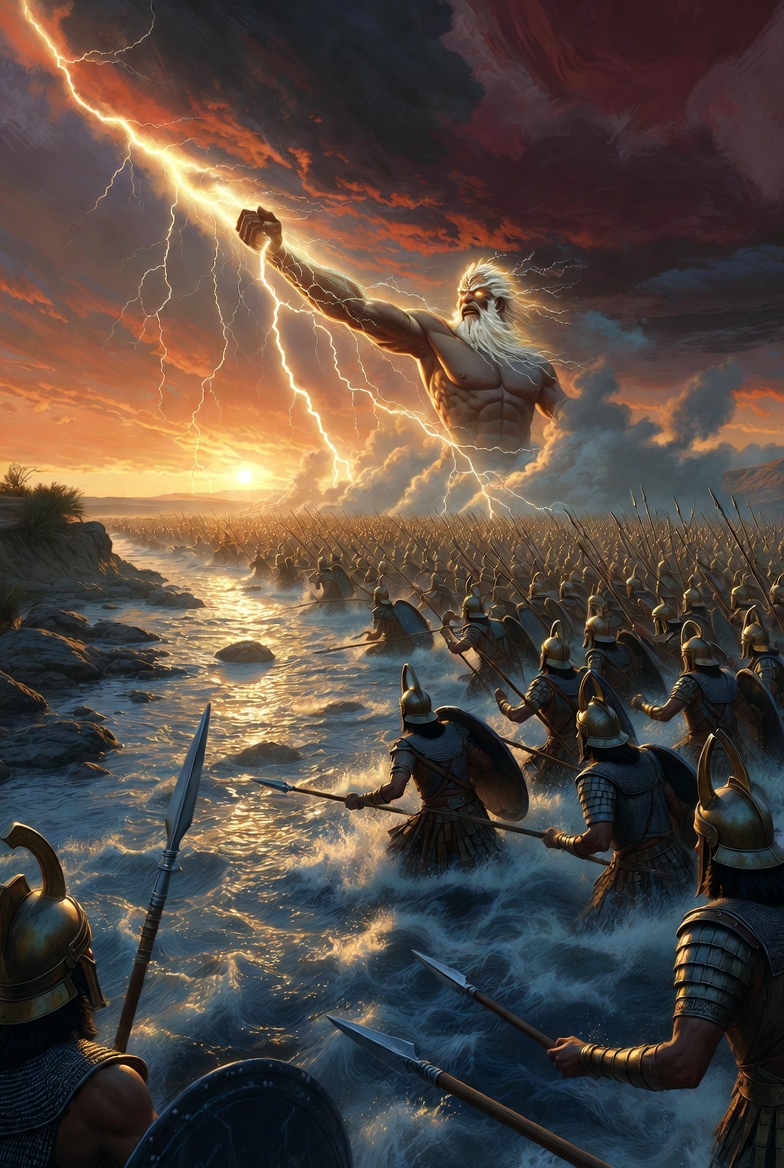
Even war carried the echo.

Armies marched under gods who demanded justice for the vulnerable.
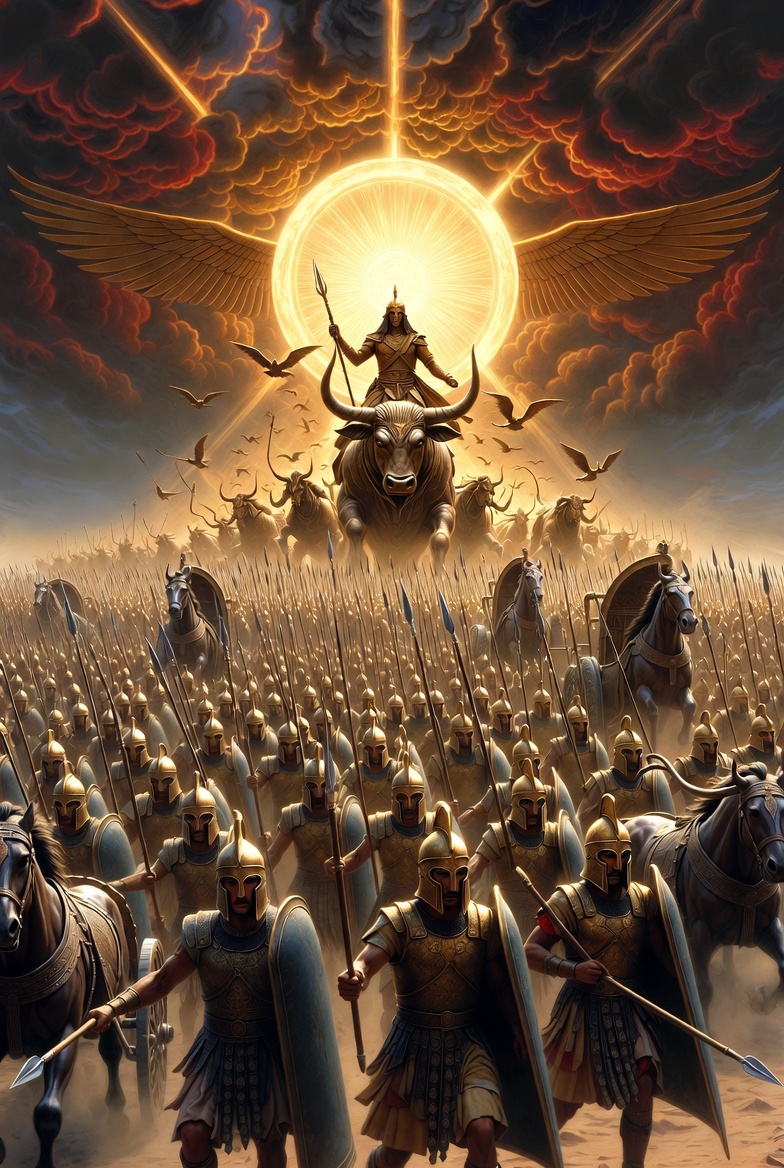
Defeat wasn’t just losing land—it was proof your side had lost moral favor. (Deut. 32? M.S. Heiser)
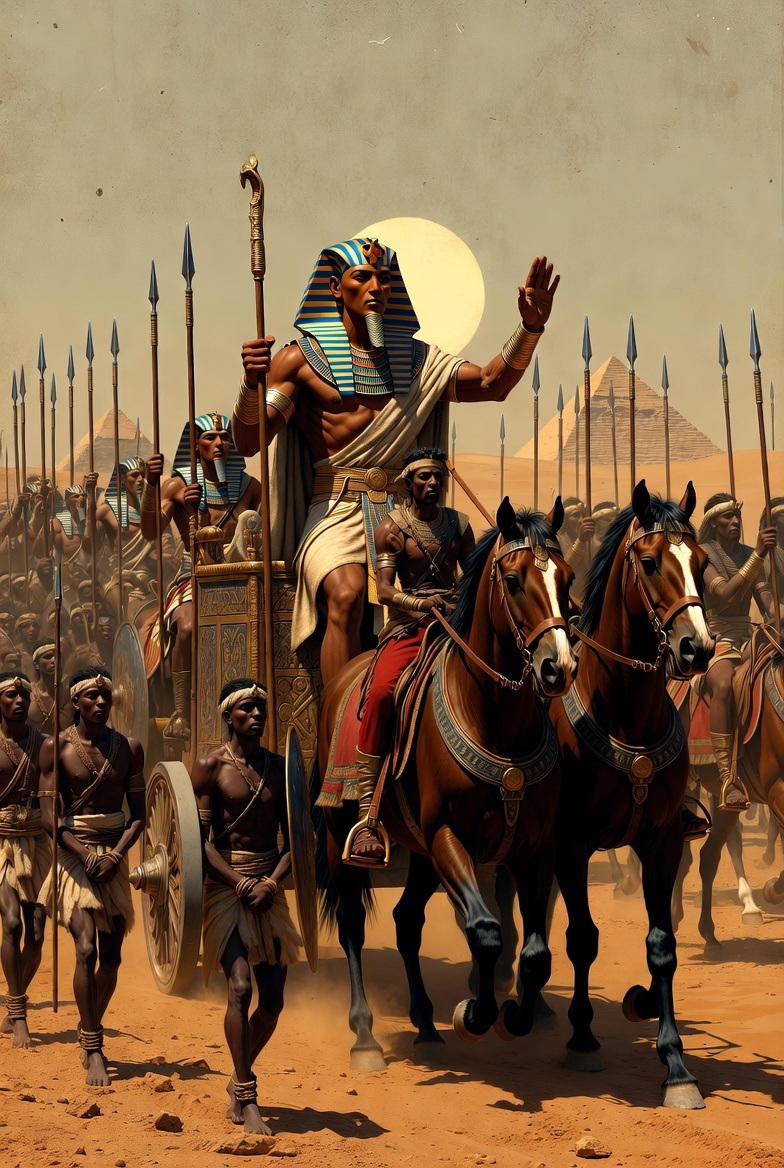
Victory meant your gods (and your ethics) were stronger.
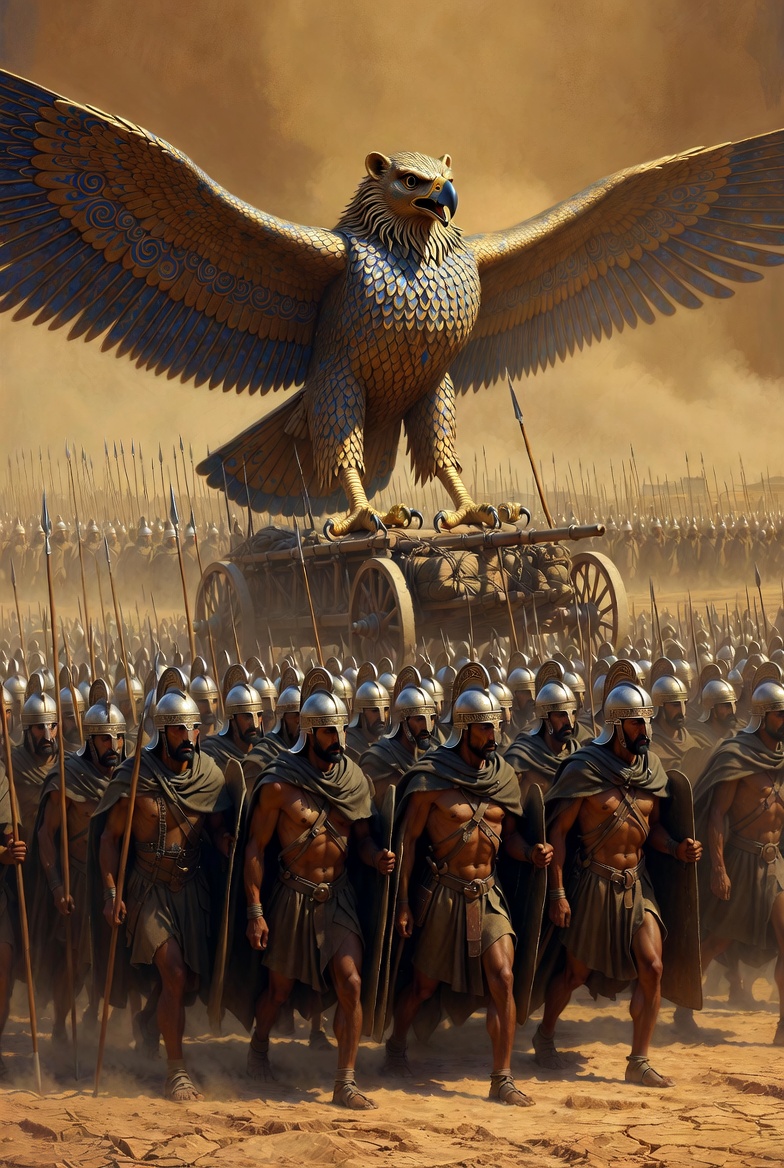
Today we call it ethics, rights, laws. But strip the modern labels and it’s the same whisper from the clay tablet: Share. Help. Be fair. Our compass didn’t evolve from nothing. It was handed down, refined, broken, and repaired across millennia.

The twist? We still ignore it. We build bigger walls, smarter weapons, louder arguments—thinking we’ve outgrown the old rules. But every time society cracks—inequality, corruption, war—the fracture lines follow the same pattern: someone stopped sharing.

History doesn’t force our hand. It just keeps asking the same question the clay tablet asked: Will you listen this time?
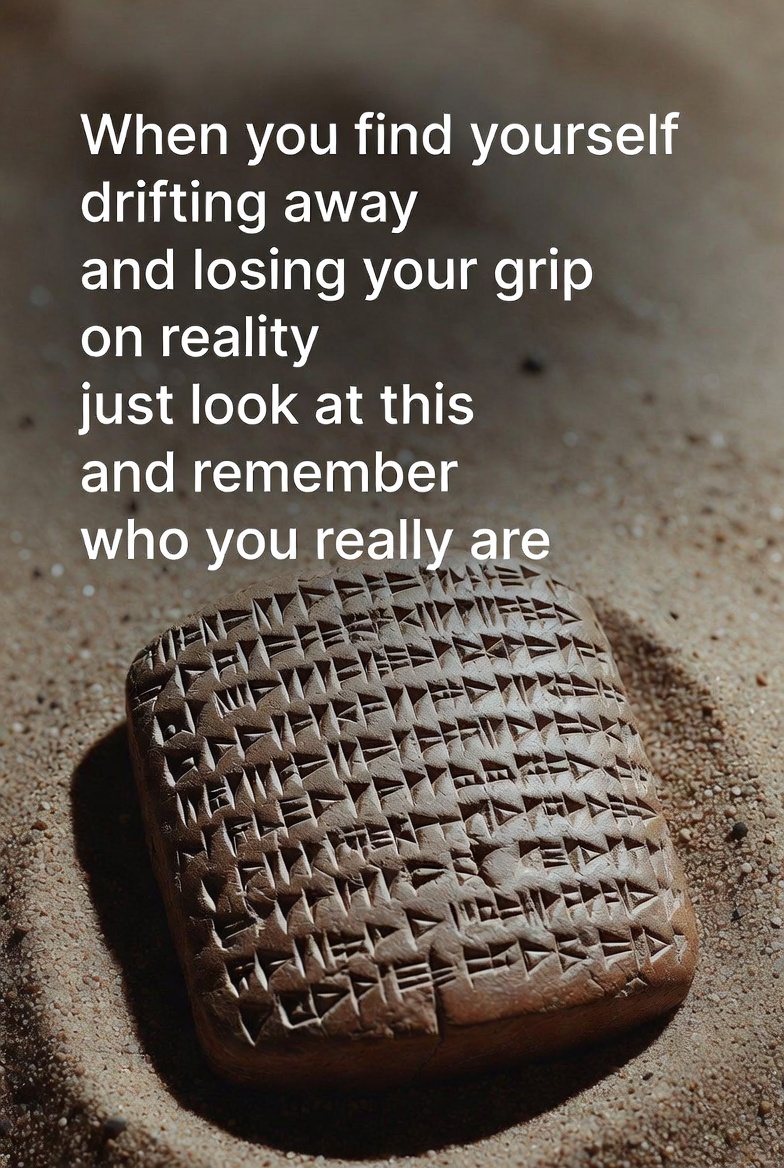
The compass is spinning. The choice is still yours.
No Responses