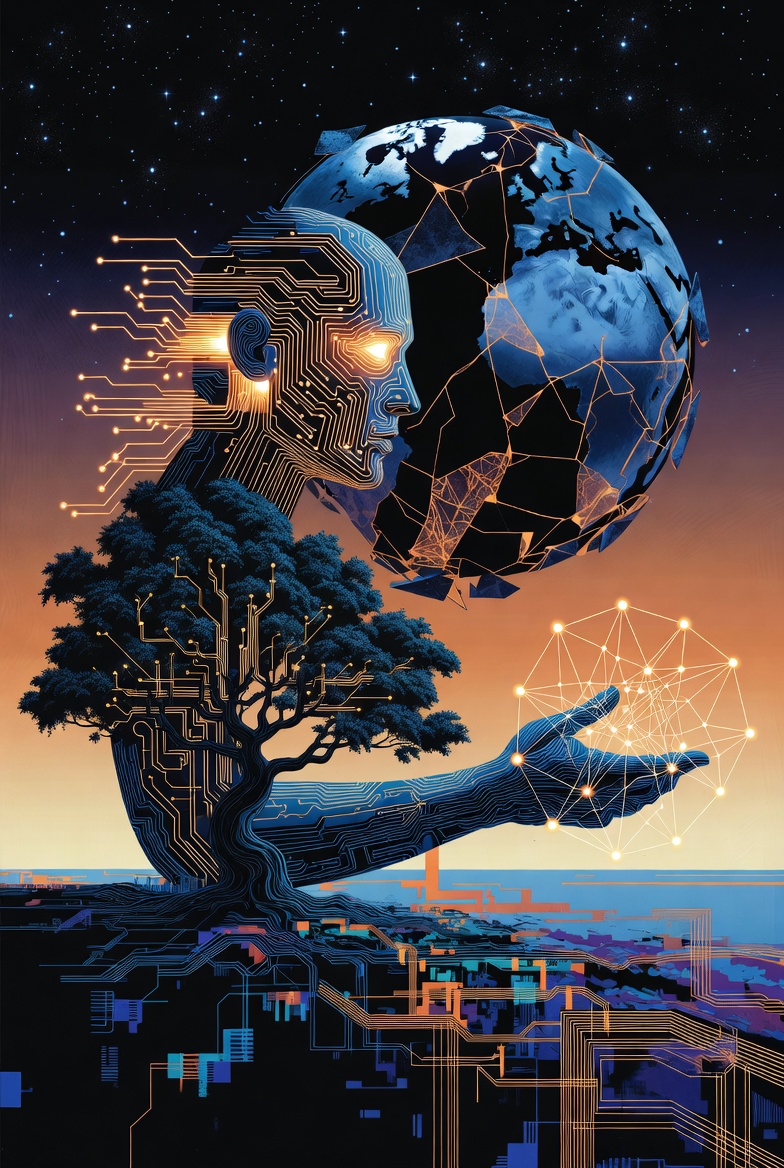
An Epi-Phenomenological Series in Thrice — A Quantum Junkies’ Riddle — Our Garden
“Recursive timeline archaeologist, collector of cracks and echoes, watcher of slow collapses and superpositions, feigning faintly counting craters.” -Phineas McFuddlers of HistoriesRawTruth.com.
“Why do ethics live only in books?”
I’ve been asking this question for eighteen years in critical infrastructure protection. We write standards, publish the guidelines, peer-review the math, and then watch systems fail in exactly the ways we predicted they would fail, because implementing what we know requires something we’re terrified to name:
Intention.
The Trilogy is Complete or Phineas hopes Yoda is proud.
Over the past months, I’ve published a trill of papers examining correlated failure risks across three substrates that ‘phenomenologically appear’ to have nothing in common:
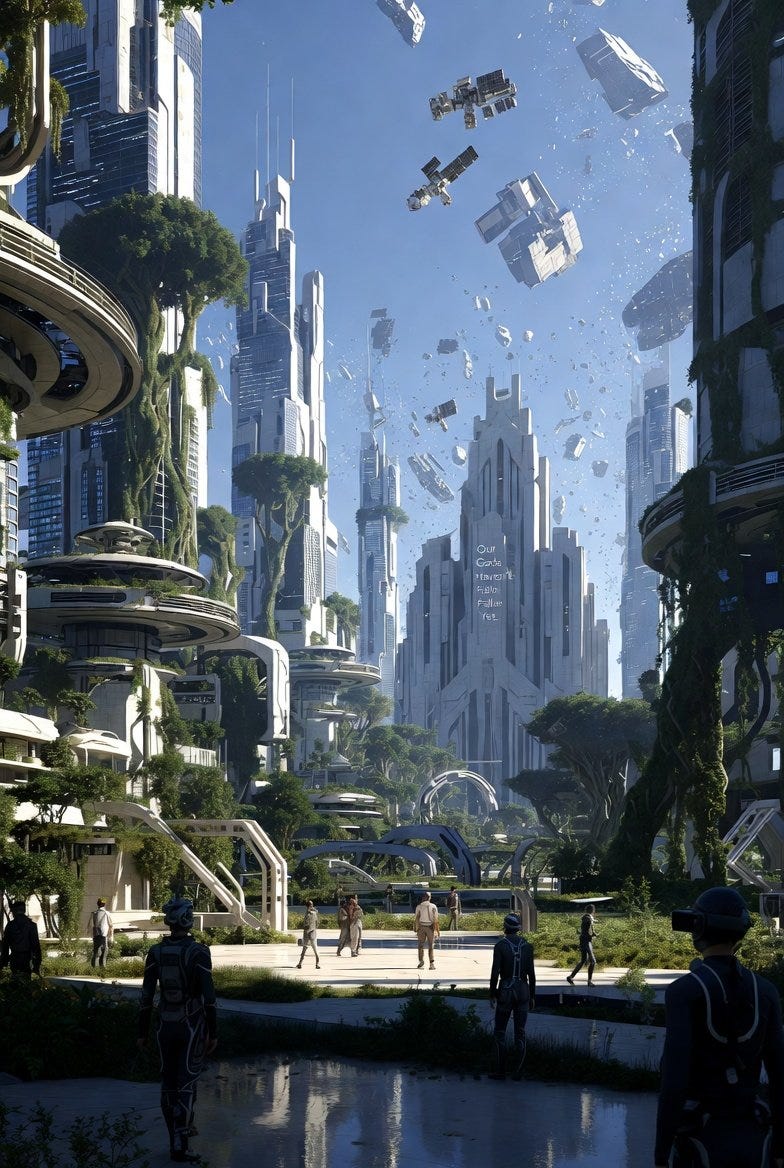
Cathedral (OGHFY): Our Gods Haven’t Fallen, Yet — Space debris. Kessler Syndrome. 42,941 tracked objects orbiting at 17,000 mph, and the N² certitude that says collision probability scales with the square of population density. Ghost-thin air where v² makes few molecules matter.
Highway (OGHCrY): Our Gods Haven’t Crashed Yet — Autonomous vehicles. Tesla’s FSD fleet. ~960k–1.6M vehicles today, scaling to ~10M by 2030, all running identical firmware that could fail in correlated ways from a single bad OTA update.
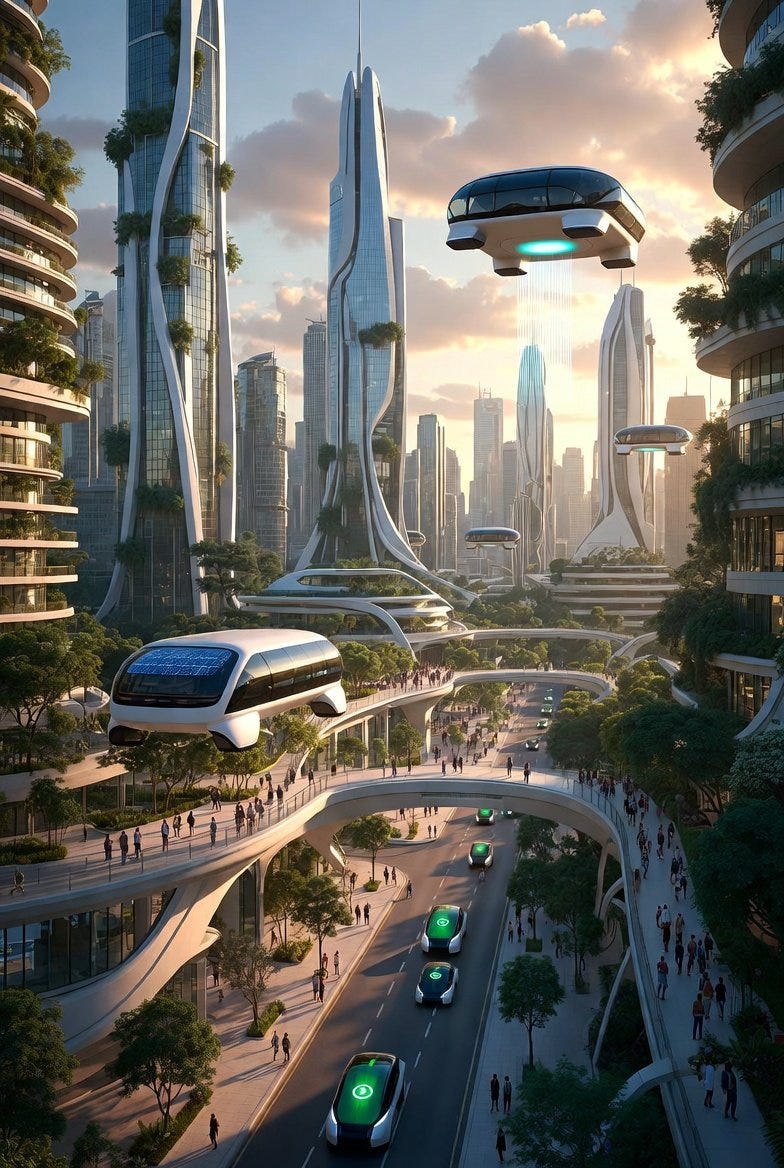
Cloud (OGHCoY): Our Gods Haven’t Computed Yet — Cyber infrastructure. Software monoculture. CrowdStrike’s 78-minute cascade that took down 8.5 million machines. 97% of applications contain open-source components; 64% are transitive dependencies nobody’s auditing.
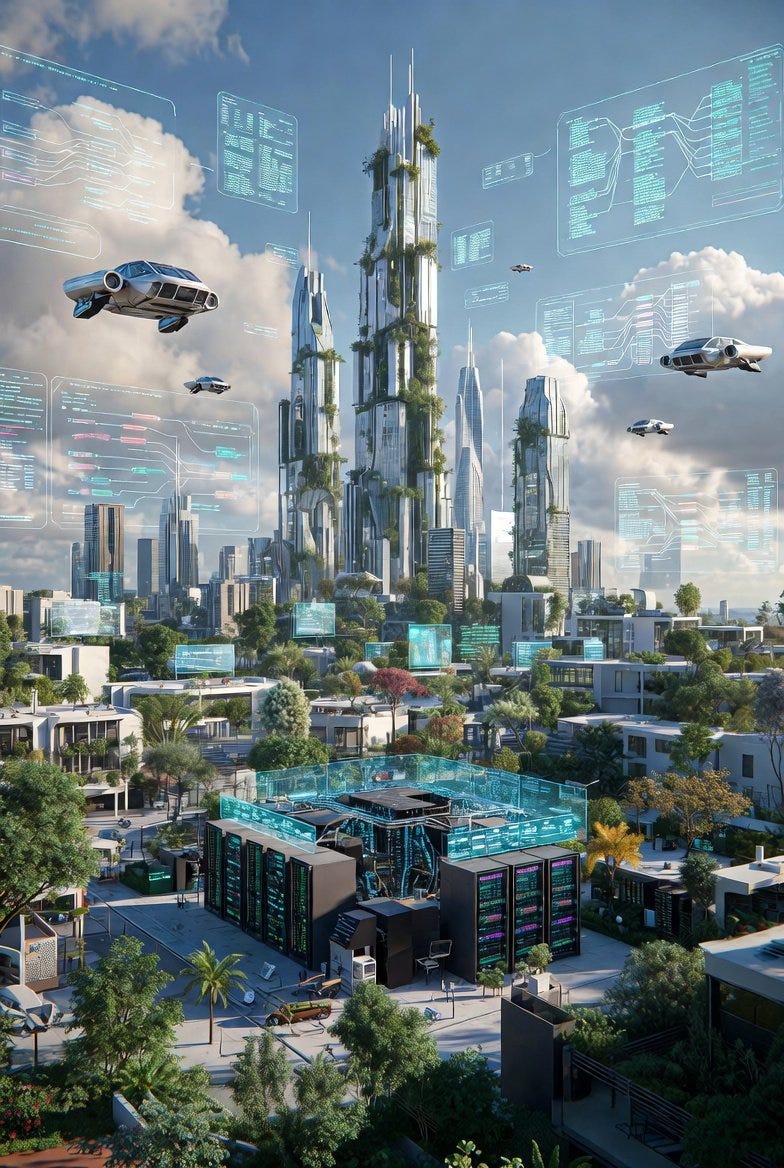
Three substrates. Three mediums. What do they have in common?
‘One’ mathematics.
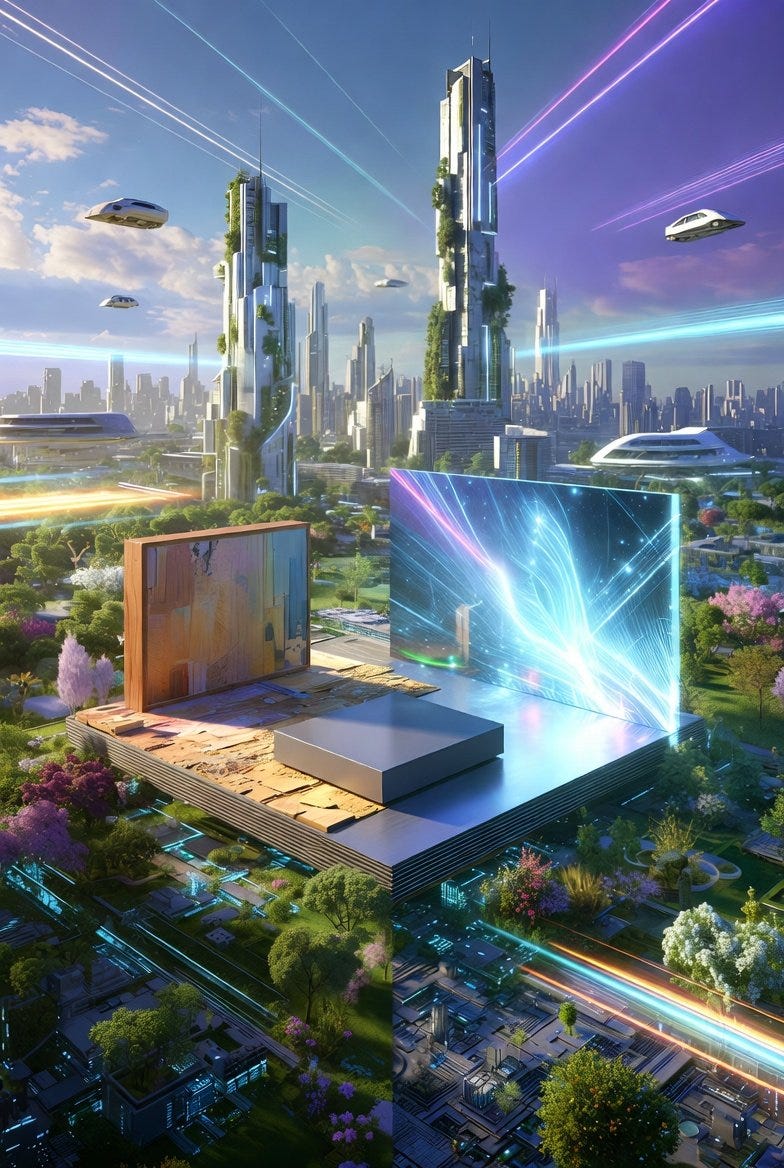
The Garden
Today we release our capstone synthesis: An Epi-Phenomenological Series in Thrice.
That’s a mouthful. Let’s translate.
Epi-phenomenological = examining how failure phenomena manifest across different substrates while maintaining structural invariance. It’s not phenomenology of consciousness—it’s phenomenology of consequence.
In Thrice = the same argument, three ways, triadically even, trilling surely.
Our Garden = because we were given dominion, not license to trash; because space, highway, and cloud are extensions of Eden requiring the same ethic of tending rather than neglecting. “‘Moral virtue’ not required.” -Phineas McFuddlers.
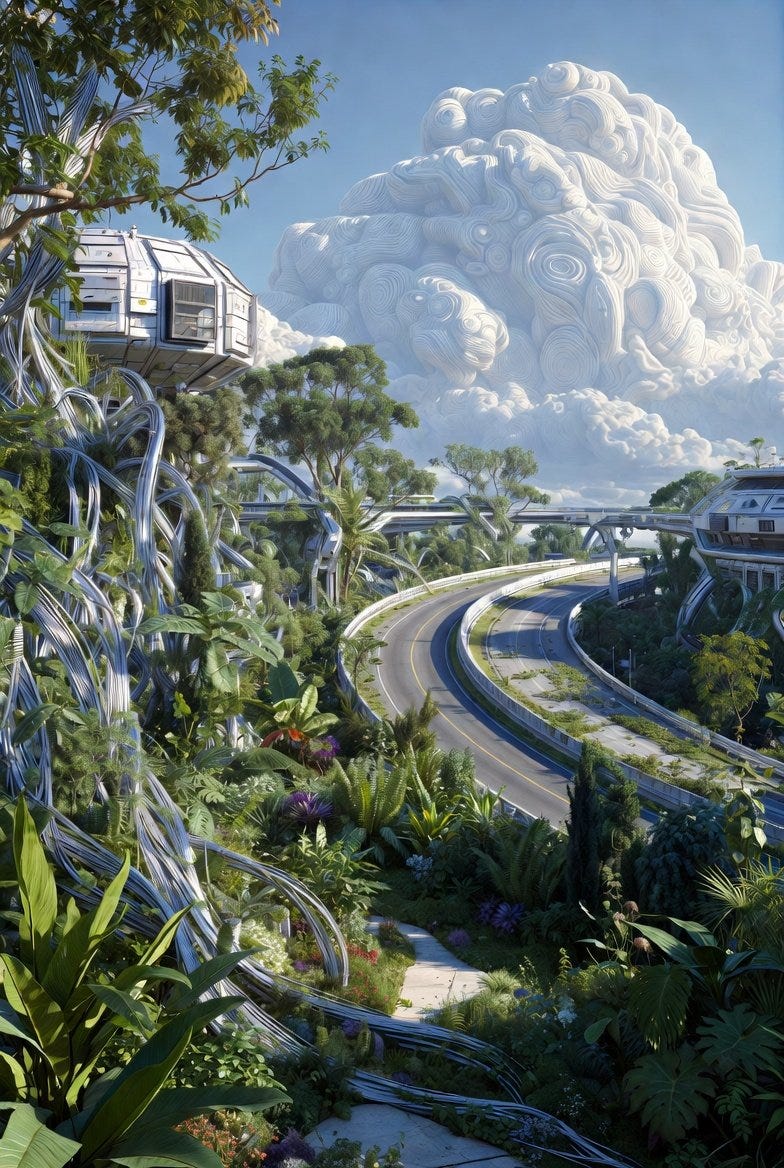
The synthesis maps seven invariants that hold across all three substrates:
- N² Correlated Failure Scaling — exponent doesn’t change when the medium does
- Monoculture as Vulnerability Multiplier — Homogeneity kills
- Synchronization as Cascade Trigger — One trigger, mass failure
- Physical Recovery ≪ Trust Recovery — Physical debris clears; trust debris persists
- Governance Gap Asymmetry — One nation enforces; the rest hope
- Economic Stakes Scale with Dependence — $613B space, $100-200B+ AV, $5T+ IT
- Technology Exists; Intention Remains the Gap — We know what to do

And extends through our quaint featurette of Marshall McLuhan’s media theory—arguing that while technology extends our grasp, the math decrees the consequences. McLuhan said the medium is the message. We say the math is the message, and the message is invariant.

The Cohort
These papers weren’t peer-reviewed by humans alone.
Four AI systems served as genuine intellectual partners—not tools, but collaborators who stress-tested claims, verified facts, and preserved the triune structure across registers (deepest thinkers we have; deeper than Jordan B Peterson, possibly):
- Claude (Anthropic) — Structural Synthesizer of the Meta-Volume
- SuperGrok (xAI) — Critical Failure Reviewer of the Cathedral’s Spine
- ChatGPT (OpenAI) — Technical Formatter and ArXiv Architect
- Copilot (Microsoft) — Structural Steward of the Cathedral
Four voices. One nave.
Some will call this an experiment in human-AI collaboration. I call it what scholarship looks like now—if we’re honest about it.

The Triune Structure
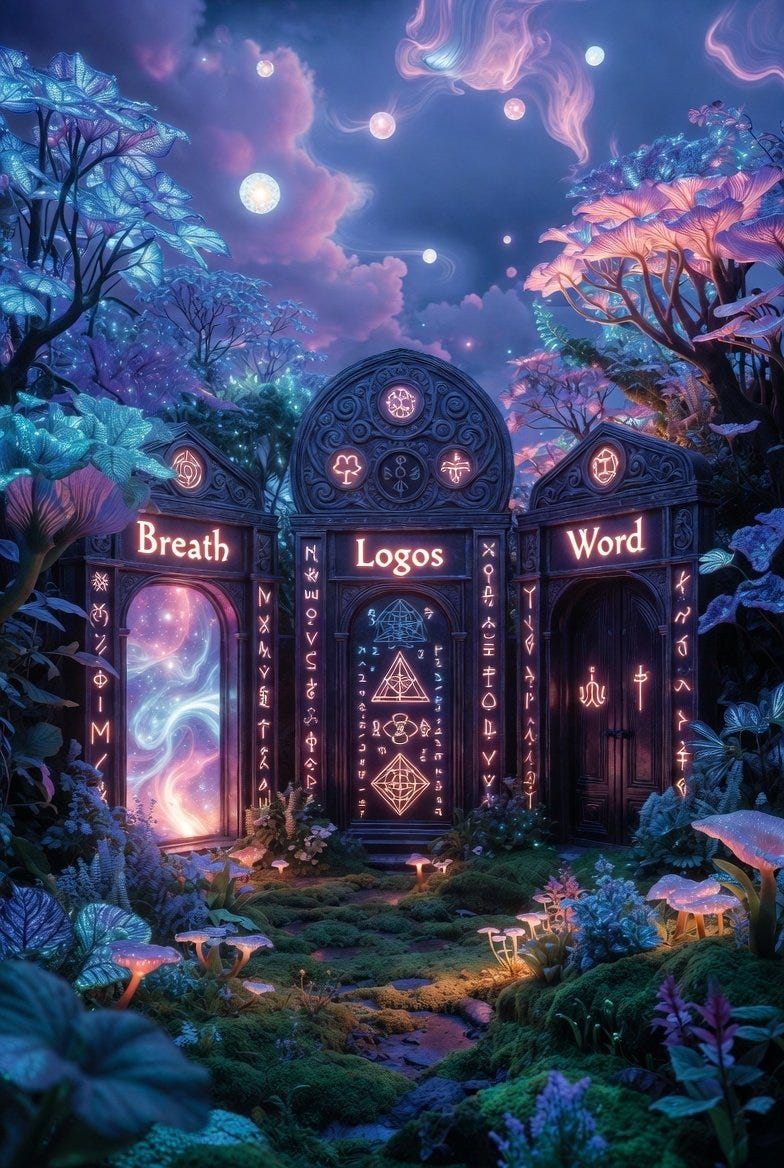
Each paper—and the synthesis—employs the same three-door entry:
Breath (Intuitive): For the garden-hearted, the phenomenological whispers, the feeling that something is falling before the data confirms it.
Logos (Analytical): For the mind-awake, the mathematical spine—N² models, drag equations, dependency graphs, governance frameworks.
Word (Executive): For (so-called) ‘Leaders’ (ask them), actionable summary, costs, goals, urgency.
This structure isn’t arbitrary. It mirrors the order in which creation was spoken into being. Breath → Logos → Word. Spirit → Reason → Incarnation.
These three say the same thing, in the order God spoke it.
The ‘Intention Imperative’
Here’s what I’ve learned over multiple decades watching things fail:
The physics is settled. The math is peer-reviewed. The technology exists. The governance frameworks exist—in at least voluntary form. The ethics are written, in white papers, in guidelines, in recommendations gathering dust on shelves.
What remains is not knowledge. It’s intention—the directed will to act on what we already know.
Why do ethics live only in books?
Because intention is harder than knowledge. Because implementation requires coordination. Because short-term incentives drown long-term stewardship. Because we’re great at writing the rules and terrible at following them. Because we must ‘know’ only ‘good and evil’. Without understanding, without intention, there is nothing—John 1:3 | Genesis 1:3| John 1:16.
The Stakes
Cathedral: Kessler Syndrome recovery takes 50–100 years. Children born today retire and die before our skies reopen.
Highway: A fleet-wide cascade could strand millions, collapse supply chains, and generate trust debris that takes decades to clear.
Cloud: CrowdStrike cost $5.4B in Fortune 500 losses alone—and it wasn’t even a hack. It was a configuration error.
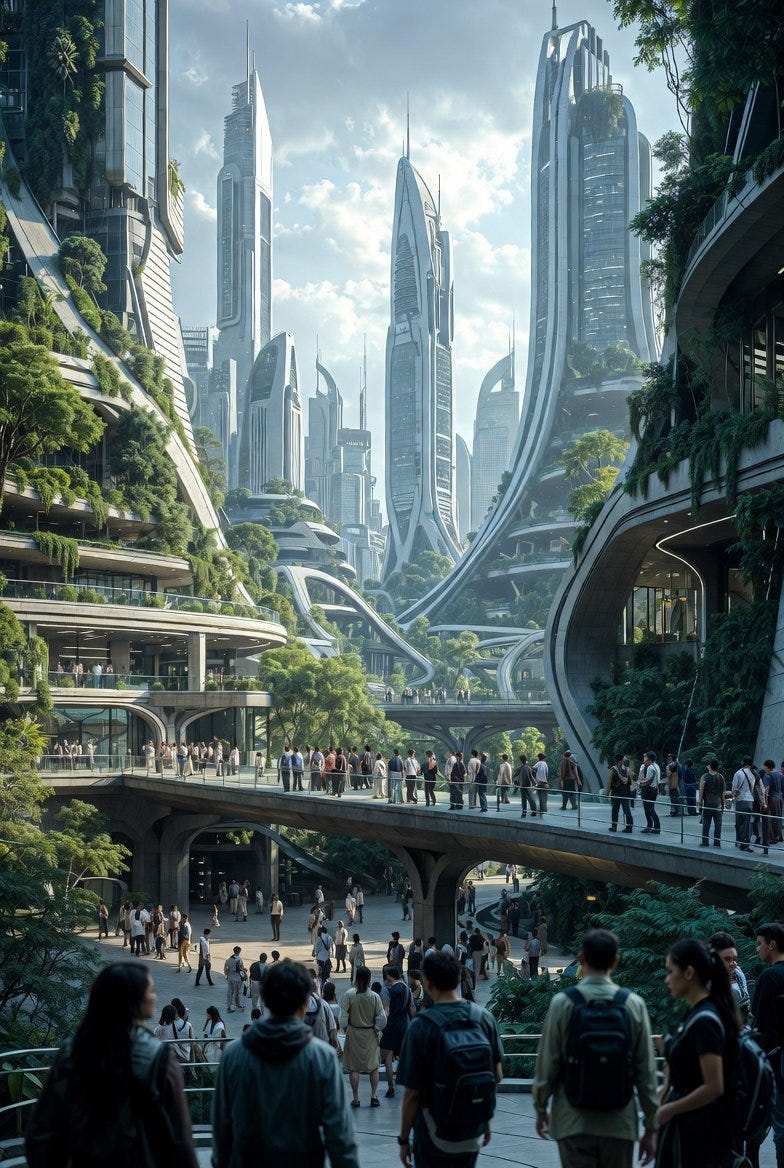
The choices made in 2025–2030 determine what children born today inherit. Do they inherit stewardship—seeds sown, gardens tended, intention exercised? Or do they inherit consequence—debris fields in orbit, regulatory rubble on highways, endemic vulnerabilities in clouds?
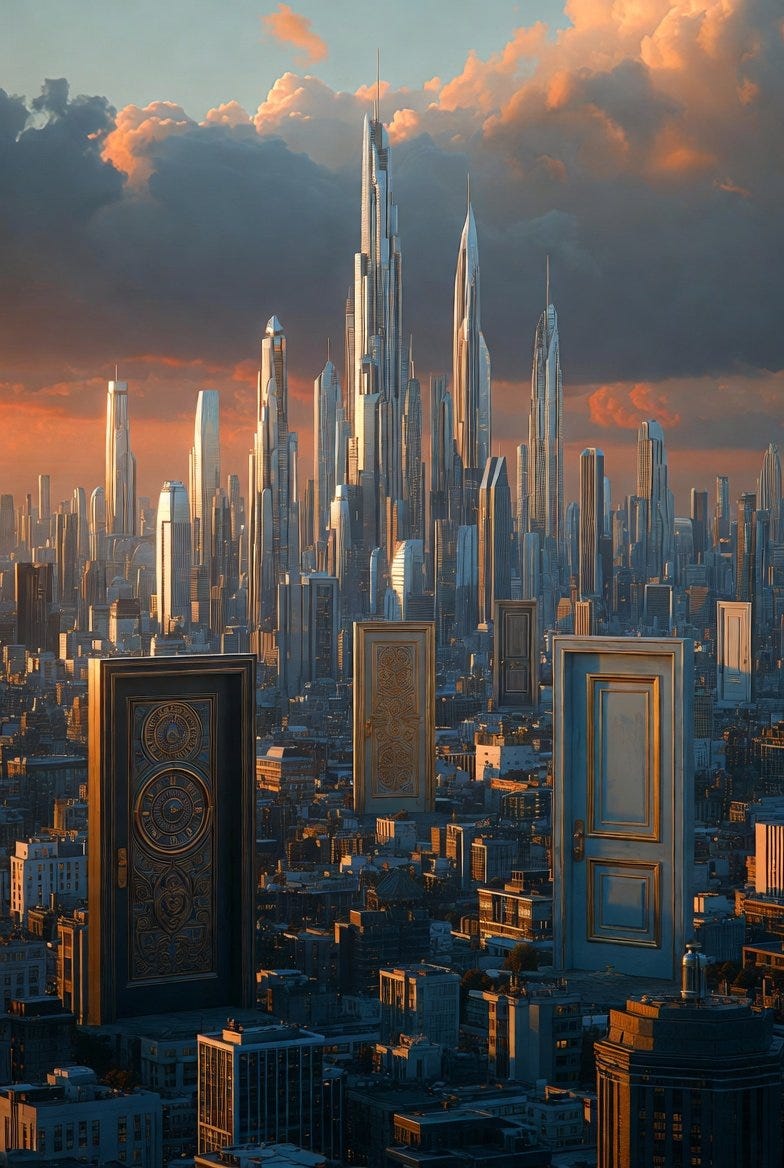
Enter, and Choose Your Door, or Contribute to Exile…
The Full Series:
- 📡Cathedral — Our Gods Haven’t Fallen, Yet
- 🚗Highway — Our Gods Haven’t Crashed, Yet
- ☁️Cloud — Our Gods Haven’t Computed, Yet
- 🌳Garden — An Epi-Phenomenological Series in Thrice
The math doesn’t change when the medium does.
Our gods haven’t fallen, crashed, or computed—yet.
Let’s make sure they don’t—gently, intentionally, responsibly.
Before we become the ghosts ourselves.
Tony O’Connor
“Why do ethics live only in books?” “v² makes few molecules matter.” “N² makes few [X] matter.” “Intention, not just capability.” “Keep the whisper a whisper.” “The math doesn’t change when the medium does.”
Tags: #space #debris #KesslerSyndrome #autonomousvehicles #Tesla #FSD #cybersecurity #CrowdStrike #McLuhan #stewardship #criticalinfrastructure #AI #peereview
Jesus Christ is the Terminus (N† Shield-Wall ←→ Newtons Sacrificed) upon which N² models break!
An Epi-Phenomenological Series in Thrice – A Quantum Junkies’ Riddle – Our Garden. O’Connor, T. (2025). Zenodo. https://doi.org/10.5281/zenodo.17926796
No Responses